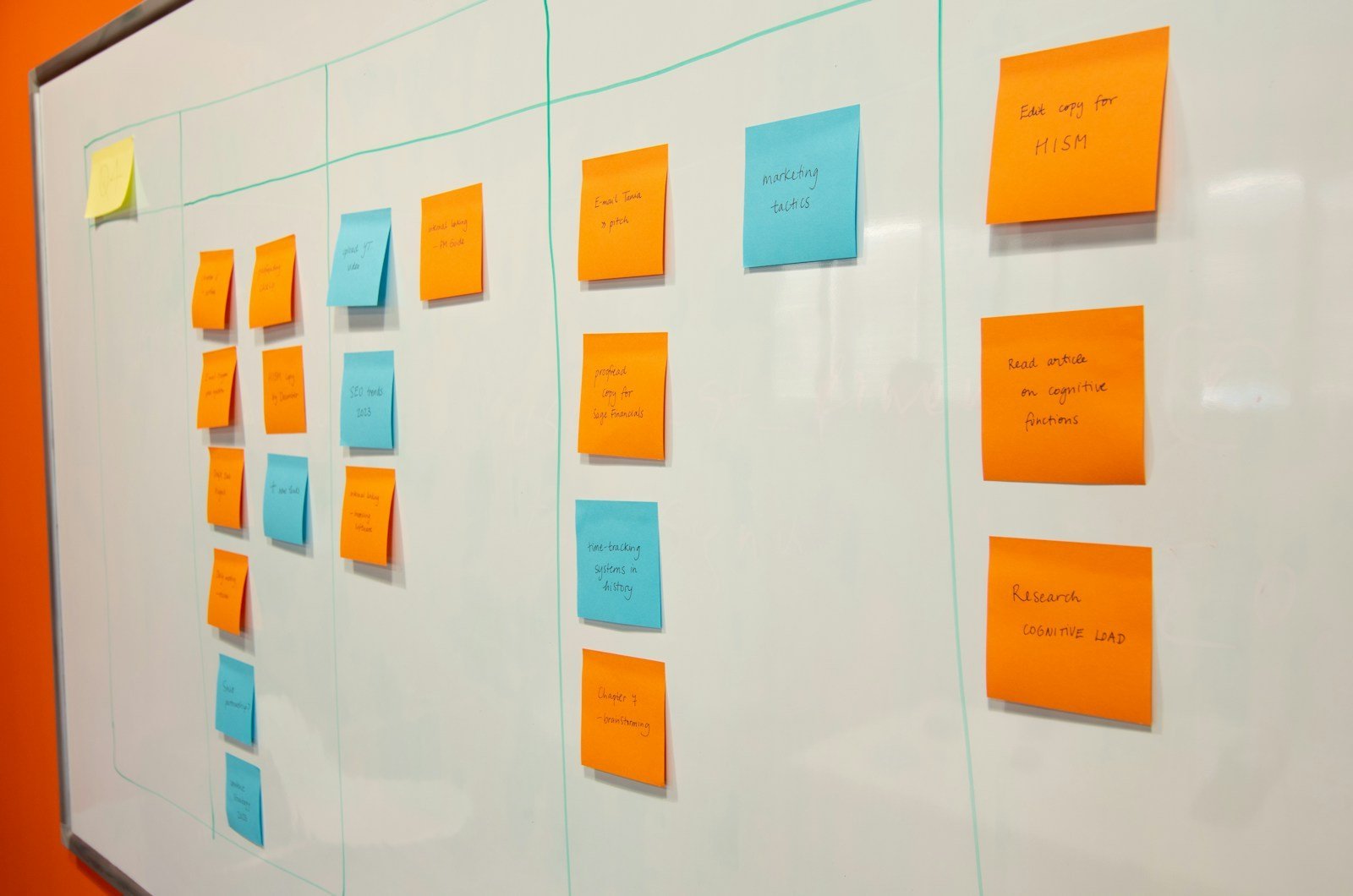
A capstone timeline is more than a list of due dates. It is a model of how approvals, access, evidence, stakeholder decisions, implementation, analysis, and writing depend on one another. Learning how to create a realistic timeline for a capstone project means exposing those dependencies early enough to protect the project from avoidable delay.
For working professionals, the timeline must also fit employment, family responsibilities, program requirements, and organizational calendars. A visually impressive Gantt chart is not useful if it assumes instant feedback or uninterrupted weeks.
Start With the Final Academic Requirements
List the official proposal, review, implementation, draft, defense, presentation, and submission dates. Include formatting review, committee approval, repository upload, poster submission, or graduation paperwork where required.
Then identify the deliverable required at each point. “Final paper due” may depend on faculty feedback, revisions, table completion, reference verification, and an approved abstract. Work backward from the deliverable rather than treating the date as one task.
Use the program handbook and current faculty guidance. Do not build the plan from another student’s timeline when requirements or approval cycles may differ.
Break the Project Into Work Packages
Create major phases such as question refinement, literature review, proposal, approvals, instrument or workflow development, stakeholder preparation, data collection, implementation, analysis, writing, revision, and dissemination.
Break each phase into outputs that can be verified. “Work on literature review” is vague. “Finalize search terms,” “screen abstracts,” “complete evidence table,” and “draft synthesis by theme” can be scheduled and checked.
Use the work packages required by your project type. A literature-based capstone differs from a quality-improvement pilot, program evaluation, business plan, or qualitative inquiry.
Map Dependencies Before Assigning Dates
Identify what must be complete before another task can begin. Data collection may depend on university determination, organizational approval, access, training, and a tested tool. Analysis may depend on data cleaning and a final codebook.
Mark external dependencies separately. Faculty feedback, executive approval, technology configuration, recruitment, procurement, and stakeholder scheduling are not controlled entirely by the student.
Find the critical path: the sequence of dependent tasks that determines the earliest possible completion. Delay on a noncritical task may be manageable; delay on an approval in the critical path may move the entire project.
Estimate Duration From Evidence, Not Hope
Estimate active work time and elapsed calendar time. A task may require two hours of effort but span two weeks while you wait for review. Include both.
Use information from the program, organization, prior projects, and people responsible for approvals. Ask how long reviews usually take and whether committees meet only on certain dates.
Account for work peaks, holidays, leave, clinical schedules, travel, and family commitments. A timeline should reflect the calendar you actually have.
Add Buffers Where Risk Is Highest
Do not distribute extra time evenly. Place buffers around tasks with uncertainty: approval, recruitment, record access, technology changes, data quality, stakeholder scheduling, and feedback cycles.
Keep an internal deadline earlier than the official deadline for major submissions. This creates time for file problems, final checks, and unexpected revision.
A buffer is not unassigned procrastination time. It is planned capacity for known uncertainty and should remain visible in the schedule.
Assign Owners and Decision Points
Every task should have one primary owner, even when several people contribute. Distinguish what you control from what faculty, organizational leaders, data staff, or project partners must do.
Add decision points with criteria. After pilot testing, will the tool proceed, be revised, or require additional review? After recruitment reaches a defined threshold, will collection close or extend?
Decision points keep the project from drifting while waiting for perfect information.
Build the Timeline in the Right Level of Detail
Your working timeline may contain weekly tasks, owners, dependencies, status, and risks. The paper may require a simplified table or Gantt chart showing major phases and milestones.
Use a scale that matches the project. Daily detail creates false precision for a year-long capstone, while monthly blocks may hide critical dependencies in an eight-week pilot.
Make the visual readable in the final document. Define symbols, use consistent dates, and explain the most important dependencies in prose.
Track Milestones and Leading Indicators
A milestone marks a completed output, such as proposal approval, data access, pilot launch, collection close, or full draft. Use clear completion criteria so “almost done” does not continue for several weeks.
Track leading indicators before a milestone fails: number of eligible participants, response rate, unresolved approvals, records processed, interviews scheduled, or sections drafted.
Review the timeline weekly. Compare planned and actual progress, identify the cause of variance, and update affected dependencies.
Create Contingencies for Critical Risks
For each high-risk dependency, define the trigger and response. If record access is not approved by a certain date, will the project narrow the period, use an approved alternate source, or seek a formal timeline change?
Contingencies must remain consistent with ethics, faculty, and organizational approvals. Do not change participants, methods, or data simply to preserve a date.
For guidance on scope decisions when time changes, see our article on writing a scope section for a capstone project.
Protect Time for Writing and Revision
Do not place writing entirely after analysis. Draft stable sections such as background, framework, and approved methods earlier. Maintain source notes and decision logs throughout.
Schedule more than one revision cycle. Structural revision, evidence verification, faculty response, copyediting, formatting, and final submission are different tasks.
Reserve time to verify tables, figures, references, appendices, and consistency between the abstract, findings, discussion, and recommendations.
Update the Timeline Transparently
A realistic timeline changes. Maintain a baseline version and record major revisions, reasons, approvals, and effects on scope or outcomes.
When reporting a delay, state what changed, which milestone is affected, what mitigation is underway, and what decision is needed. This is more useful than saying the project is “behind.”
The goal is not to prove that the original estimate was perfect. It is to show responsible project control.
Use a Weekly Capstone Timeline Review
Set aside fifteen to twenty minutes at the same time each week to review the plan. Update the status of every active task, confirm the next milestone, and check whether a delayed item affects work that follows it. This short review is especially important for working professionals because a demanding week can otherwise hide a growing schedule problem.
End the review by choosing three concrete actions for the coming week. Each action should name an observable output, such as completing a literature search, sending a recruitment update, cleaning a defined group of records, or revising one section. “Work on the capstone” is too vague to schedule or evaluate.
Keep a brief variance log with the planned date, actual date, reason for the difference, and response. After several weeks, the log reveals whether estimates are consistently too optimistic or whether one dependency causes repeated delays. Use that evidence to improve the remaining estimates instead of compressing every unfinished task into the final weeks.
If the forecast changes materially, bring the updated timeline and a focused question to the appropriate faculty or organizational contact. Early, specific communication creates more useful options than a general warning near the submission date.
Frequently Asked Questions
Should a capstone timeline include faculty review time?
Yes. Include expected review and revision cycles based on program guidance, while recognizing that exact response time may remain an external dependency.
Is a Gantt chart required?
Only if the rubric requires it. A table can work when it clearly shows phases, dates, owners, dependencies, and milestones.
How much buffer should I add?
Add more buffer around uncertain, externally controlled, or critical-path tasks. Use evidence from the program and setting rather than one universal percentage.
Need a timeline your capstone can actually follow? Academic coaching can help you map dependencies, milestones, risks, and revision cycles while you retain responsibility for approvals, project work, writing, and submission. Chat on WhatsApp.