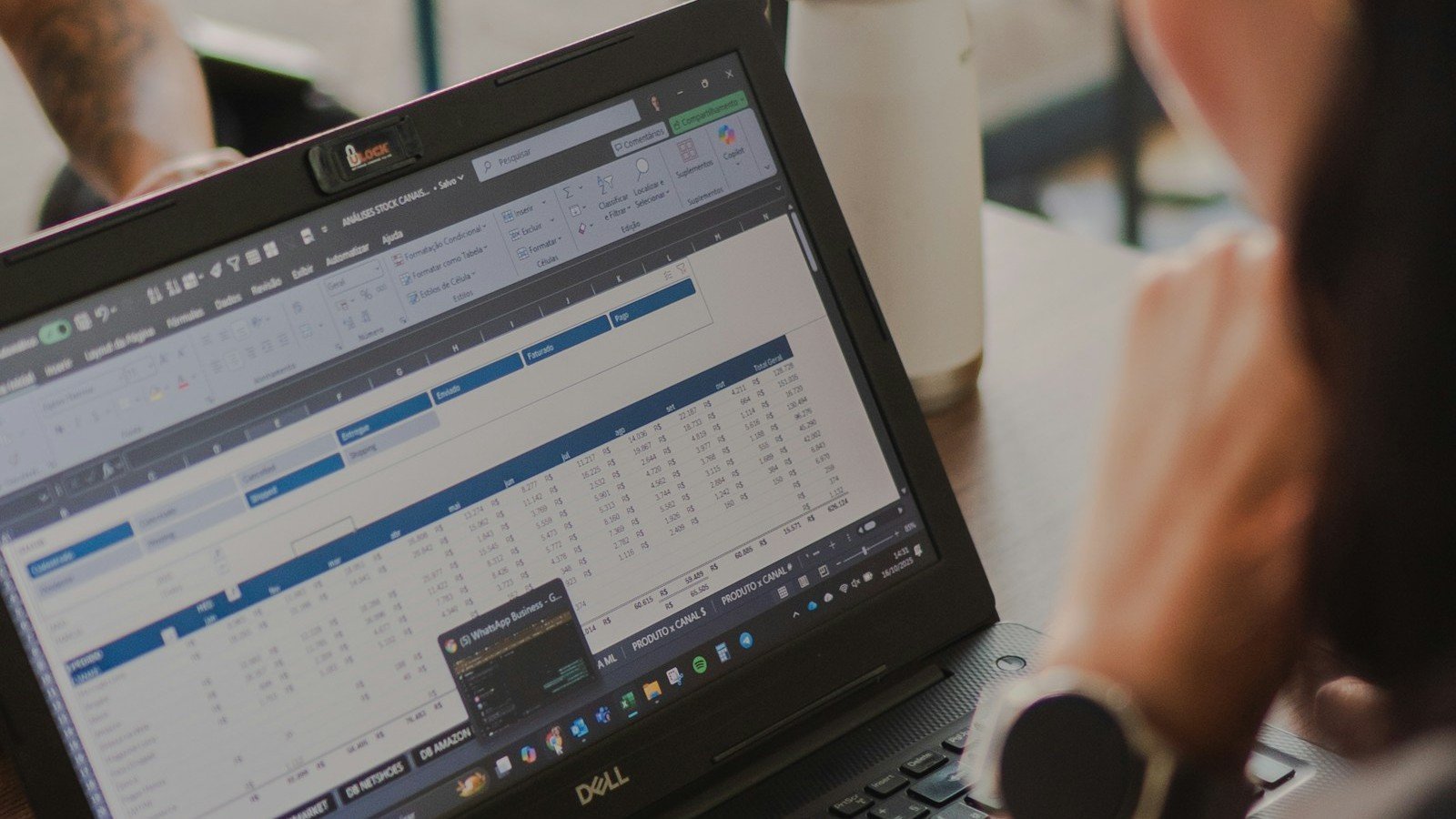
Your data collection is complete, but the spreadsheet contains inconsistent labels, unexpected blanks, impossible dates, and several values that may be duplicates. Learning how to clean a graduate research dataset means correcting and documenting data-quality problems without quietly changing observations to fit the expected result.
Data cleaning is a reproducible process between collection and analysis. It protects the meaning of variables, identifies departures from the protocol, and creates a traceable analytic dataset while preserving the raw data.
This guide explains how to freeze the source files, build a cleaning plan, validate variables, handle missingness and outliers, document decisions, and prepare an analysis-ready file.
How to clean a graduate research dataset
Begin by preserving an untouched, read-only copy of every raw file in the approved secure location. Record the export date, source system, version, file format, and person responsible. Never clean directly inside the only raw copy.
Create a separate working file or scripted workflow and a data-cleaning log. Every material change should be reproducible from the raw data or recorded with the original value, revised value, reason, evidence, date, and person making the decision.
Review the approved protocol, codebook, instrument, consent, and analysis plan before changing anything. These documents define what variables should mean and which transformations were planned.
Build a data dictionary before inspecting results
For each variable, record the name, label, type, allowable values, units, format, missing codes, source, derivation, time point, and role in analysis. Include rules for calculated scores and reverse-coded items.
Use consistent machine-readable names while preserving clear human labels. Avoid spaces, ambiguous abbreviations, and names that change meaning between files.
Distinguish true zero, not applicable, refused, unknown, not collected, and system missing. Combining these categories can alter interpretation and produce incorrect calculations.
Check structure before individual values
Confirm that rows represent the intended unit—participant, encounter, observation, or time point—and that columns represent variables. Verify that headers, encodings, date formats, delimiters, decimal symbols, and character sets imported correctly.
Compare record counts across recruitment, collection, and exported files. Unexpected losses or additions may indicate filters, duplicate exports, failed merges, or test records.
Inspect unique identifiers for missingness, duplicates, and formatting changes. Never replace identifiers casually because they connect files and repeated measurements.
Validate ranges, categories, dates, and logic
Run frequency tables and descriptive summaries for every variable. Look for impossible or implausible values, misspelled categories, mixed capitalization, leading spaces, unit differences, and unexpected codes.
Check dates in sequence. Consent should not occur after data collection, discharge should not precede admission, and follow-up should fall within the planned window unless a documented exception exists.
Create cross-variable logic checks. A participant marked ineligible should not normally have a completed outcome measure; an item marked “not applicable” may require related follow-up fields to be blank.
Do not correct a value merely because it looks unusual. Verify against an authorized source when possible, or flag it for sensitivity analysis and transparent reporting.
Identify duplicates using defined rules
Exact duplicate rows may result from repeated exports, while duplicate participants may have legitimate repeated visits. Define what constitutes a duplicate using identifiers, timestamps, events, and protocol rules.
Investigate rather than deleting automatically. Determine which record is authoritative, whether information differs, and whether both represent valid observations.
Document every removed or consolidated record. Report the effect on the analytic sample through a transparent flow rather than hiding changes inside the spreadsheet.
Handle missing data as information
Profile missingness by variable, participant, time, site, and relevant group. Patterns may reveal confusing questions, technology failures, attrition, skip logic, or unequal access.
Distinguish structurally missing values from unanswered or lost data. Apply instrument-specific scoring rules exactly. Do not replace blanks with zeros unless zero is the observed value.
Any deletion, imputation, or modeling approach should be justified in the analysis plan and appropriate to the missingness mechanism and design. Seek statistical guidance when assumptions exceed your expertise.
Review outliers without erasing real variation
Use graphical and numerical methods appropriate to the variable and analysis. An outlier may be a data-entry error, unit error, rare but valid case, or influential observation.
Check the original authorized record and collection context. Correct documented errors, but retain valid extreme values unless a prospectively justified rule supports exclusion or transformation.
When decisions are uncertain, compare analyses with and without influential cases and report the sensitivity. Removing values because they weaken significance is research misconduct.
Recalculate derived scores carefully
Verify item direction, allowed missing items, weights, subscales, cut points, and rounding against the official instrument documentation. Test formulas using cases with known expected scores.
Store original items and derived variables separately. Name and label the calculation version so later changes can be traced.
Check whether software has treated text, dates, categories, or missing codes as numbers. A formula can run successfully while producing conceptually wrong values.
Use reproducible transformations
Whenever possible, implement cleaning with code or recorded query steps rather than manual edits. A reproducible script shows the order of operations and can rebuild the dataset after a corrected export.
If manual review is necessary, use a controlled correction log and independent verification for high-risk changes. Protect formulas and identifiers from accidental sorting or overwriting.
Use version control appropriate to the approved environment. Do not place confidential data in public repositories, consumer cloud storage, or external AI tools.
Create and verify the analytic dataset
After cleaning, freeze an analysis-ready file and updated data dictionary. Re-run record counts, ranges, missingness, duplicates, logic rules, and derived-score checks.
Compare the final sample with the recruitment and exclusion flow. Confirm that exclusions match approved criteria and that every planned variable is available in the required format.
Have a second authorized person review a sample of transformations or run the script when feasible. Reproducibility is stronger when another person can follow the record.
Our guide to creating a graduate research data management plan can help align storage, access, naming, and retention.
Report cleaning decisions transparently
Describe exclusions, duplicate handling, missing-data treatment, outlier rules, transformations, scoring, and deviations from the plan. Provide counts rather than vague statements that data were “checked.”
A coach can help organize a dictionary, checklist, and decision log, but you remain responsible for permissions, data integrity, statistical choices, analysis, and reporting.
Follow institutional rules for collaboration and generative AI. Never fabricate values, conceal excluded records, or upload protected data into unauthorized services.
Frequently asked questions
Should I delete rows with missing data?Not automatically. The appropriate approach depends on the design, amount and pattern of missingness, analysis, and approved plan.
Can I correct obvious data-entry errors?Yes when the correct value can be verified through an authorized source and the change is documented. Otherwise, flag the uncertainty rather than guessing.
Should I remove every outlier?No. Outliers may be valid observations. Investigate their source and influence and apply justified rules consistently.
Do I need coding skills to clean data?Not always, but reproducible tools reduce hidden manual errors. Whatever method you use, preserve raw data and maintain a complete change record.
Make every analytic value traceable
Responsible data cleaning protects the path from collection to conclusion. Preserve the source, define variables, validate systematically, investigate anomalies, and record every decision.
A clean dataset is not one with inconvenient observations removed. It is one whose contents, changes, limits, and relationship to the raw evidence can be explained and reproduced.
Talk to us about your program
One-on-one academic coaching for working professionals pursuing online graduate degrees. Message us on WhatsApp to see if we're a fit.